Mastering EMC One Level at a Time
LEVEL 3
There are four electromagnetic coupling mechanisms. Understanding how these coupling mechanisms work is essential for recognizing and eliminating unwanted electromagnetic interference.
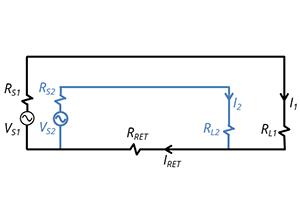
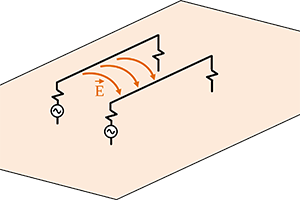

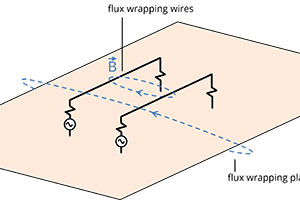
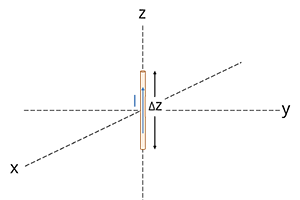
When unwanted coupling is observed, it's important for EMC engineers to be able to determine which coupling mechanism is responsible. Once the coupling mechanism is understood, it becomes relatively straightforward to devise and implement changes to reduce that coupling. During the design stages of a product, recognizing and quantifying the potential coupling due to each mechanism helps product engineers to anticipate problems and implement reliable, low-cost solutions.
Here are three laboratory exercises you can complete that will help you get familiar with electromagnetic coupling mechanisms.
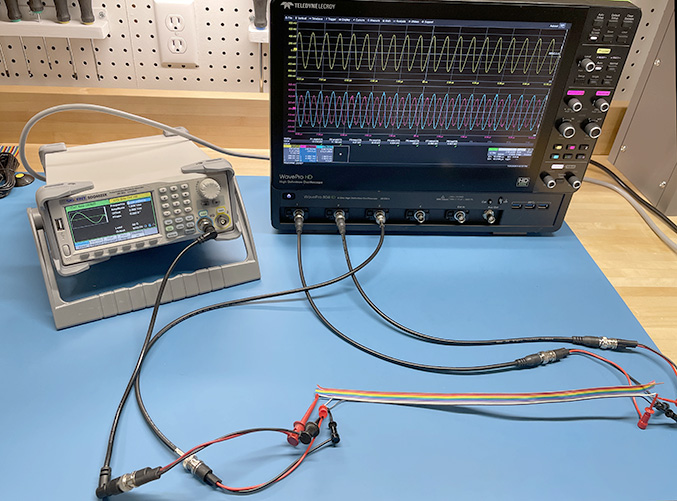
Lab Exercise 7: Common-Impedance Coupling in a Ribbon Cable
Students measure the common-impedance coupling in a ribbon cable and compare the results to simple calculations.
Laboratory Exercise 07: Common-Impedance Coupling in a Ribbon Cable
Lab Exercise 8: Electric-Field Coupling in a Ribbon Cable
Students measure the electric-field coupling in a ribbon cable and compare the results to simple calculations.
Laboratory Exercise 08: Electric Field Coupling in a Ribbon Cable
Lab Exercise 9: Magnetic-Field Coupling in a Ribbon Cable
Students measure the magnetic-field coupling in a ribbon cable and compare the results to simple calculations.
Laboratory Exercise 09: Magnetic Field Coupling in a Ribbon Cable